When a fireplace and chimney are right, they disappear into the rhythm of a home. They attract well. They cozy promptly. They rest with calmness through wintertime storms. When they are wrong, they reveal themselves with smoke that drifts back right into the area, a sour odor after rainfall, spots that slip along the plaster, or blocks that shed their faces like old paint. The distinction between those 2 truths usually boils down to one routine: a regimented routine of examinations by somebody that recognizes what they are looking at.
I have actually walked roof coverings where the crown has hairline cracks hardly larger than a bank card edge. In a difficult freeze, those crevices end up being blood vessels, then fractures, then seams open sufficient to invite water. Six months later on, the homeowner calls with a picture of a mantle flecked with white salts and concerns concerning why the damper sticks. What began as a $350 crown seal can have been handled in a mid-day, yet it rose right into a multi-thousand dollar Chimney Repair due to the fact that water took a trip where it ought to never ever be permitted to go. This is the quiet mathematics of maintenance versus upheaval.
The economic truth of an ignored chimney
A smokeshaft is not just a pile of physical. It is a system of products and geometry that operates in heat and cold, under adverse pressure, while carrying flammable gases out of your space. The flue brings corrosive results. The stonework rests revealed on the roofline, one of the most weather-beaten part of your home. Metals like the blinking and cap meet masonry at joints that move at various rates as temperature levels turn. Everything expands and contracts. Whatever climates. Every little thing that is out of view is simple to defer.
Inspections are the solitary cheapest line product in the life process of a smokeshaft. In many markets, a specialist aesthetic inspection prices in the variety of a couple of hundred bucks. Include a cam check at rational intervals, and the figure continues to be small. Compare that to the common expenses I see when issues go unnoticed: $1,200 to $3,000 for a partial flue relining on a brief, straight run. $4,000 to $10,000 for a full relining on a high or balanced out chimney. $1,500 to $5,000 to restore a spalled block chase above the roofline. $600 to $1,500 to deal with flashing and counter-flashing where the masonry satisfies the roofing system. A new crown that should have been sealed ends up being a structural put with steel reinforcement. If water passes through deep enough to rot framing or oxidize a stainless liner, you are into larger numbers.
That's the substantial side of it. There is likewise the price of efficiency. A flue that is too little relative to the firebox opening will always pull inadequately. A throat damper that never totally closes is an opening in the thermal envelope. A capless flue welcomes raccoons that like cozy voids for nesting, and they bring odors and fleas and blockages. Upgrading performance during routine inspection, as opposed to fixing after failure, frequently sets you back a fraction of the responsive alternative.
What an appropriate assessment really covers
When I discuss normal evaluations, I do not suggest a glance from the driveway. An appropriate browse through has structure. On the roof, I try to find crown stability, cap fitment, mortar joints, brick faces, and blinking details. The crown must drop water in a basic, stylish method, with overhang and drip sides that stop drainage from spotting the stack. Joints should be tight, jam-packed, and noise, not smearing over voids. I run a finger throughout the faces of the brick. If the clay sloughs right into powder, the firing was soft or water is taking a toll. Flashing need to be a conversation in between the masonry and the roofing, not a mess of tar daubed over issues. A high quality counter-flash steps easily right into the mortar joints, commonly with reglets cut to approve metal that sits with intent, not guesswork.
Inside the flue, a camera tells the truth. Tiles can be fractured in ways the nude eye can not capture from the top or base. Mortar joints between terra-cotta areas can be missing, allowing warm and gases to leave. Stainless linings can be wrinkled by a gone down tool from a previous contractor, or creosote can glaze into a lustrous luster that signifies hazardous burn potential. The smoke chamber usually conceals scaling and gaps that should certainly be parged smooth for much better draft and safety and security. Every component needs eyes on it at some interval.
In the firebox and fireplace, I look for shallow splits that telegraph motion. Hairlines might be harmless if they are not expanding. Larger gaps invite cinders and warmth where they do not belong. The damper needs to move with a simplicity that means service. If it does not, the factors issue. Is it warped from exposure to an overfire occasion? Or is it merely burdened by rust from a decade of winter season condensation?
Finally, the bordering framework tells its very own story. Discoloring on the ceiling near the smokeshaft chase might not be a roofing leak at all, yet vapor condensing in a cold flue. Efflorescence on the masonry inside the attic signals moisture movement. The nose knows as well. A sour ash scent after rainfall suggests cap concerns, downdraft, or creosote. We make use of all the detects since the system speaks in several languages.
The domino effect of small defects
Chimneys stop working in sequences. A missing or improperly fitted cap lets in rain. Water meets soot and ash. The resulting acidic mixture sits on stonework and metal. Mortar softens. Steel rusts. Joints open. Draft degrades, which leaves more soot, which holds even more dampness, which welcomes more acid. At the same time, freeze-thaw cycles pump water deeper into hairline cracks. The top third of the pile takes the force of the weather condition, so spalling frequently starts there. Each spalled face reveals more of the brick body to absorption. In a couple of winters, the good-looking pile that mounted your roofline looks moth-eaten.
A crown without correct incline will certainly hold water enough time for a micro-pond to form. Even a quarter-inch of water resting for weeks locates a method right into microcracks. Once water permeates listed below the surface of the crown, warm will expand the caught wetness. Freeze will broaden the path. After that, in a storm with a solid crosswind, water is driven into the open joints beneath the crown, where it adheres to gravity to the smoke chamber. That is the tarnish you see on the face of the fire place, the one you assumed came from a spilled beverage during the holidays.
Inside the flue, creosote can be found in tastes. Cosy soot is easy to brush. Crunchy stage-two accumulation has sides that withstand. Shiny glaze is the threat indication. Glaze types when low, smoldering fires or unseasoned timber send awesome smoke that condenses on cool flue surface areas, then bakes into a tough, glass-like layer. It is stubborn and flammable. If a smokeshaft fire happens, that glaze turns to a blowtorch, capable of breaking ceramic tiles and warping liners in under a minute. An electronic camera evaluation exposes this early, and a qualified move uses the right technique for removal. Waiting until the smell is strong or the draft is inadequate is the expensive path.
The seasonal rhythm that maintains prices down
Luxury is as much regarding rhythm as it has to do with coating. A home that is taken care of on tempo ages with dignity. The very same holds for a chimney. I prefer an easy, seasonal lens.
In late summertime, call for an examination and move. The climate is participating, organizing is much easier, and any kind of needed work can be done prior to the initial cold wave. This is when we recognize crown splits, loosened caps, or solidified creosote that should be gotten rid of, not burned off. If you have a wood-burning appliance that saw heavy usage last period, request for a Level 2 electronic camera evaluation. It is partially more expensive yet repays in certainty.
Midwinter, your senses are your ideal examiners. If you smell smoke in areas where you should not, if you listen to a faint trembling sound in the flue on gusty evenings, if the glass on your insert residues over as well rapidly, or if you see any kind of modification in exactly how the fire begins or how the fire dances, make a note. Those notes come to be a helpful quick in spring.
After the shed period, throughout springtime rainfalls, stroll outdoors and check out the smokeshaft in a heavy rainstorm. Rain informs on poor flashings and misfit caps. Inside, check for wet scents near the firebox. If you have a stainless steel surround or cut, run a cloth throughout it and see if there are tea-colored touches that recommend water has actually merged with ash.
This cadence prevents surprises. It likewise degrees your maintenance costs into predictable, workable amounts. You will certainly spend a little each year. You will hardly ever, if ever before, encounter a tragic Chimney Repair that hijacks a vacation fund.
Materials and craft make the difference
Not all solutions are equivalent. I see crowns built from ordinary mortar that were troweled off level in the exact same aircraft as the leading bricks. That is not a crown, it Chimney Repair Contractor in Wilsonville is a failure waiting to occur. An appropriate crown is a different, enhanced concrete or cast rock component with incline and drip edge, divided from the flue floor tile with a bond break that allows differential expansion. It sets you back even more in advance than smearing mortar, and it lasts much longer.
Similarly, not all linings are produced equivalent. An adaptable stainless lining is a present when your flue goes through offsets, or when a historical masonry flue is out of square. Yet the alloy issues. For wood burning, a 316Ti stainless is a workhorse. For coal or oil with greater sulfur web content, a more corrosion-resistant alloy may be required. If you are airing vent a gas device, condensation will certainly be acidic. Small or uninsulated linings can end up being cold traps that generate water, then acid, then pinhole corrosion. Good inspectors understand these subtleties and will match the repair to the gas and the architecture.
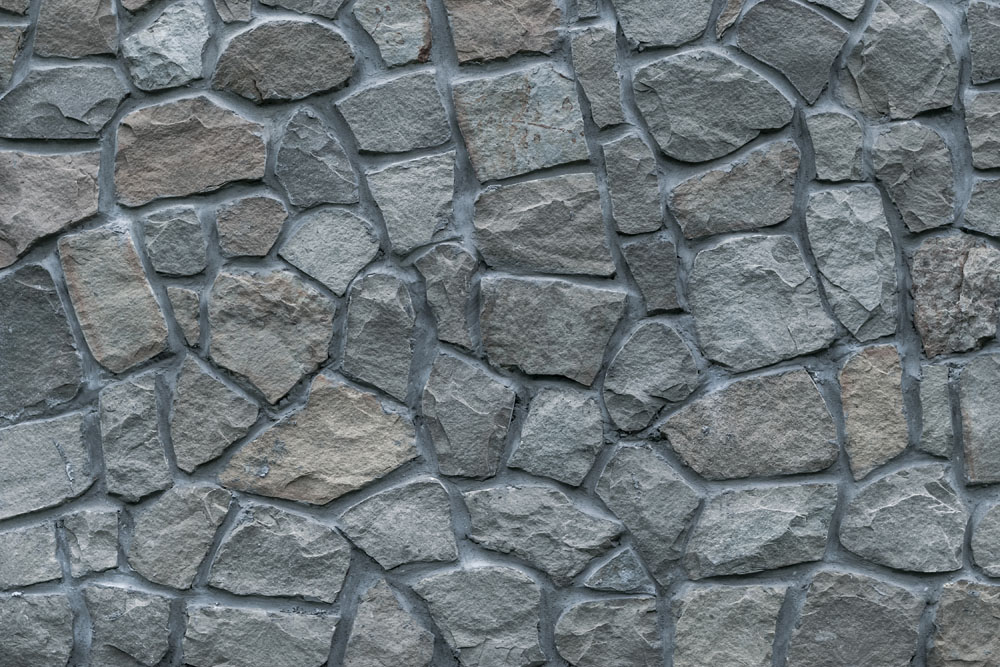
For the outside stonework, block choice matters. Some brick is thirsty. You read it in the 1900s Chicago commons that saturate and spit in freeze-thaw environments, whereas a well-fired, thick face brick shakes off weather condition effortlessly. If you have to reconstruct, select physical that integrate with the bordering structure however also fit the exposure. A siloxane-based breathable water repellent may be a clever final layer after repair services, especially on windward faces. Never trap wetness inside by utilizing a non-breathable sealer.
Flashing is a craft. Woven action blinking along a sidewall, with counter-flashing cut right into mortar joints, will certainly outlive gooped tar every time. Copper is gorgeous and sturdy. Repainted steel gets the job done oftentimes if detailed correctly. Aluminum is common yet does not enjoy contact with wet masonry over years. If a roofing substitute is coming, coordinate the chimney work to ensure that flashings are integrated, not patched.
Where most homeowners spend too much without recognizing it
People often pay too much, not because they choose the wrong vendor, however since they wait until they have an emergency situation. A chimney fire on a Saturday evening. Water gathering around the mantle. Animals in the flue. In those moments, the choices slim. You employ whoever addresses the phone. You accept whatever product they have on the vehicle. You consent to a plan built for triage, not long life. You also accept costs attached to urgency.
There is a quieter type of overspending also. Every wintertime, I satisfy a house owner burning environment-friendly wood because it was hassle-free. The wetness web content is north of 25 percent. The fire pouts, creates more smoke than flame, and lays down extra creosote per hour than a well-seasoned oak split will certainly in an entire evening. The additional sweep you pay for at midseason, the glazed glaze that requires more hostile removal, the reduced lifespan of a stainless liner exposed to acids, every one of this slips right into the budget. It feels like small change till you include the number over five winters.
Another covert expense sits in the energy bill. A throat damper that leakages is a chimney-shaped opening in your warmed or cooled air volume. Top-sealing dampers, correctly mounted, seal better and typically spend for themselves in one or two seasons. I have seen rooms that no longer feeling drafty hereafter single upgrade, and the building lines continue to be crisp because the repair remains of sight.
How often is frequently enough?
The guideline in the market is yearly assessment for any type of smokeshaft that sees usage. That is not a sales technique. It is an acknowledgment that warmth, moisture, and weather condition operate yearly. If you utilize a wood-burning fire place or cooktop, particularly as primary or extra warmth, a yearly move is smart. If you burn gas, the need for sweeping might be much less regular, however examinations still matter. Gas exhaust is cooler than wood exhaust, which implies it can condense in masonry flues, producing water and acid that erode mortar and tile. I have opened gas-only flues that scented like vinegar and discovered a milky residue that tells the tale of slow-moving, stable corrosion.
If you seldom use the fireplace, believe in terms of events rather than calendar web pages. A roof covering substitute. A lightning strike anywhere near your home. Signs of resolving or a newly sticky home window on the smokeshaft wall. A significant seismic event, also one you barely really felt. These are inspection-worthy triggers. Likewise, if you switch gas types or install a brand-new insert, request an electronic camera scan to make certain the flue geometry and lining sizing appropriate for the brand-new appliance.
For historic homes, think even more focus is required. Mortar make-ups were various. Flue floor tiles might be shorter or uneven. Architectural attachments might be peculiar to a particular time and place. An inspector with historical experience will conserve you cash by respecting the building's reasoning instead of requiring it to behave like a modern structure.
What you can do in between expert visits
You do not need to come to be a sweep, however a few little habits amount to large savings.
- Learn the feel and look of a healthy fire. Intense, lively flames atop coals, minimal smoke after the first couple of minutes, and consistent draft you can hear if you listen near the flue. Keep the cap clear. After a cyclone, look up. If you see particles captured on the trigger arrestor, call for a fast clearing up rather than burning with a partial obstruction. Mind your gas. Hardwood split to the best size for your firebox, experienced a minimum of twelve month under cover with ends open up to air, makes all the difference. Watch the stonework. Hairline cracks are commonly typical. Splits that broaden, shift, or reveal fresh sides after a freeze signal movement that requires attention. Note odors. A solid, sour, or campfire odor on humid days often indicates creosote, water invasion, or inadequate draft. Foreign animal scents suggest you need a display or cap adjustment.
These are tiny moves. They maintain you engaged with the system, so you observe adjustments early, which is when solutions are least expensive.
A short story of two chimneys
Two customers, similar homes, both integrated in the late 1980s with brick chimneys centered on the main gable. The very first homeowner set up a move and examination every September. We secured small crown checks prior to they took a trip. We changed the initial throat damper with a top-sealing system, which reduced drafts in the adjacent terrific area. After fifteen years, the liner was still in fine shape. We rejuvenated water repellent on the windward face once. The overall invest over that stretch, consisting of moves, was much less than the cost of a single full relining.
The second home owner melted on vacations and figured light usage implied reduced threat. There was no cap. A family members of chimney swifts liked the flue each summertime. Seven years in, the tiles in the top 3rd were split from a tiny smokeshaft fire most likely brought on by a nest remnant that went undetected. Rainwater combined with soot discolored the living room wall each spring. The repair work required a stainless lining, smoke chamber parging, and a crown reconstruct. The costs would certainly have moneyed years of preventative care.
They both appreciate their fire places currently. One reached that point with a rhythm of small, scheduled expenses. The other arrived after a single expensive event.
Working with the best professional
The difference between a brief appearance and a protective assessment is expertise. When you employ, ask pointed concerns. Do you execute cam assessments, and how usually do you recommend them? Can you show examples of crowns you have put with appropriate slopes and drip sides? Which lining alloys do you define for various gas and why? Just how do you approach smoke chamber parging? What is your flashing information at the headwall and sidewall, and do you mount counter-flashing cut right into mortar, or do you rely upon sealants?
An excellent professional responses with clarity. They show photos. They speak about the structure as a system. They do not press the most expensive choice immediately. They recognize when to keep track of rather than replace. They use an upkeep strategy that positions your chimney on a timeline. They are not terrified to claim, not yet, yet allow us watch on that particular joint.
The appearances of longevity
Luxury homes often tend to hide upkeep well, yet long life is visible to those who recognize where to look. Straight lines in a stack that has actually seen thirty wintertimes. Mortar that matches not simply in shade but in account and texture. A crown whose darkness line is crisp. A cap that rests like it was designed with your house, not included after. Inside, a firebox whose bricks share a tale yet not a collection of fresh cracks. Glass doors that secure. A handle that moves without a sound. The beauty is silent, but it is costly to fake and economical to make with stable care.
There is likewise the deluxe of confidence. When the initial cold front gets here and guests settle right into deep chairs, you wish to strike a match without a doubt. You desire the draw to be solid, the very first fires to take with self-respect, and the fragrance in the space to be nothing greater than a hint of oak and material. That sensation is not good luck. It is maintenance done on time.
When repair work comes to be restoration
At some point, despite treatment, fixing comes to be unavoidable. Frost heave unsettles structures. Hail storm marks a crown. A tree drops. When that day comes, let the previous examinations direct you. You will have records, pictures, and a known baseline. You can pick repair that appreciates both feature and form.
A full relining can be a chance to boost performance. Protected liners maintain flue gases warmer, which boosts draft and decreases condensation. A properly sized lining matched to the firebox or appliance corrects chronic smoke rollout. A rebuilt crown can be carried out in actors stone with accounts that match the architecture, raising the appearance while securing the system. If you have to reconstruct training courses of block, use the minute to correct a mild lean or to present a refined corbel that drops water a lot more elegantly.
Repairs done under duress rarely reach this level. Repair services planned from a structure of regular inspection often do.
The quiet math in your favor
People sometimes ask for a rule of thumb. If you invest a few hundred dollars each year on assessment and sweeping, plus the occasional moderate repair, exactly how does that contrast to skipping years and dealing with a large costs? The numbers vary, yet the pattern is consistent. Over a years, several house owners who miss routine care experience one or two major Chimney Repair occasions that complete more than consistent maintenance would have cost, frequently by a large margin. Those that keep a rhythm invest less total, spread the costs across years, enjoy much better performance, and prevent the anxiety of midwinter emergencies.
This is not about concern. It is about stewardship. A chimney is a hardworking piece of design. It sits at the climate line. It takes care of warm and draft, fire and water, metal and rock. It compensates interest. Maintain it on a schedule, need workmanship when job is needed, and you will certainly trade soaring prices for foreseeable, sensible treatment. The fire will certainly look far better, your home will certainly smell cleaner, the masonry will hold its lines, and your budget will thanks in a manner just excellent routines can.
Business Name: Ramos Masonry Construction Company Address: 1400 E Seventh St, Newberg, Oregon Website: https://ramosmasonry.com/ Email: [email protected] Phone: +15038575988